Clear rules where risk matters
Cover privacy, sensitive data, accuracy, approval, customer information and when not to use AI.
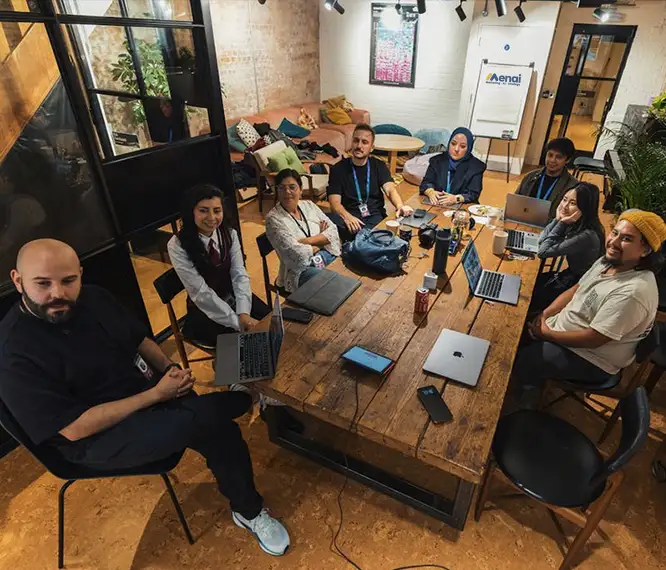
Workshops built around real work
Give your team usable examples, agreed boundaries and a route from an interesting workshop into implementation.
SME teams do not need a tour of every AI tool. They need to know where AI can help safely, where it creates risk and how it fits inside existing workflows.
Why adoption stalls
There is no shared approach to data, prompts, review or approval.
Staff spend time correcting tone, facts and context that should have been in the brief.
Interesting examples do not become repeatable methods, templates or workflow changes.
What practical training covers
We start with the task: what information is safe to use, what result is needed, who checks it and what happens next.
Cover privacy, sensitive data, accuracy, approval, customer information and when not to use AI.
Use admin, marketing, email, research, service, reporting and internal documentation examples.
Use practical patterns that provide context, define the result and make review easier.
Identify templates, automations, policies or small system improvements worth making next.
Workshop examples
Sessions can be shaped for a whole business, a management group or one functional team.
Summaries, routine messages, checklists, documentation and repeatable internal tasks.
Better briefs, useful repurposing, response templates and human review over claims and tone.
Review data, tools, risks, workflows and the first implementation opportunities together.
Direct answers
Practical answers for owners planning AI training.
Owners, managers and staff who handle admin, marketing, sales, customer service, reporting or operations. The best groups include people who understand the work, not just the technology.
No. Start with commonly available tools and focus on safe use, workflows and judgement. Paid tools can follow once the need is clear.
Training covers information that should not enter public AI tools, anonymisation, approvals and simple internal rules.
Yes. Workshops can identify templates, automations, policies, CRM changes or web system improvements that make AI useful beyond the session.
Build capability with care
Start with the team, the tasks and the decisions that need better support.
Book an AI readiness review