
Bridging the gap between strategy, marketing and AI, helping businesses evolve with intelligence, clarity and control.
Bridging the gap between strategy, marketing and AI, helping businesses evolve with intelligence, clarity and control.
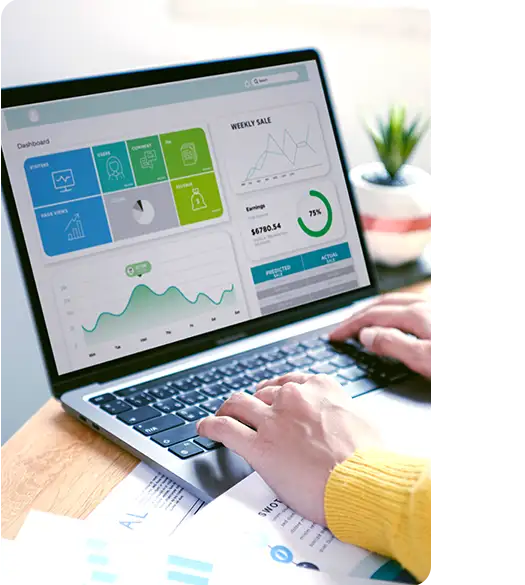
Many SMEs do not need more enquiries first. They need a cleaner way to capture, prioritise, follow up and measure the enquiries they already receive.
Improving lead follow up connects marketing, website forms, customer journey work, CRM use and staff handovers into one practical process.
Lead management often grows one campaign at a time. A web form is added, then a spreadsheet, then a CRM, then a shared inbox, then adverts. Each piece may work, but the handover between them is weak.
The fix is usually a practical customer journey review: what happens before the enquiry, at the point of contact, during follow-up and after a sale or lost opportunity.
The aim is to make every enquiry easier to see, qualify, respond to and learn from.
Review forms, calls to action, landing pages and handovers so enquiries arrive with the information staff actually need.
Make stages, fields, ownership and reminders practical enough that the team will keep using them.
Notify the right person quickly when a high-value enquiry arrives or a lead has not been followed up.
Use sensible email, call and task reminders that support sales conversations without sounding robotic.
Improve confirmation messages, next steps, helpful content and post-enquiry reassurance.
Track source, response time, status and outcomes so marketing decisions are based on the lead process, not guesswork.
Small changes in response, ownership and reminders can make existing marketing perform better.
The customer receives a clear confirmation and the right team member gets a task as soon as the enquiry arrives.
If a lead has not been contacted or updated within a defined period, the system prompts action before it goes cold.
Forms and CRM fields collect useful information without making the customer complete a long interrogation.
Lost enquiries are categorised so the business can see whether price, timing, service fit or slow response is the issue.
Practical answers for SMEs that want fewer wasted enquiries.
As quickly as the business can do properly. Speed matters, but a useful response is better than a rushed generic reply. The system should help staff respond quickly with the right context.
A CRM helps when leads are repeated, shared between people or need a clear pipeline. For very small teams, a well-structured spreadsheet plus automation may be enough at first.
Parts of it can. Confirmations, reminders, task creation, nurture emails and reporting can be automated. Sales judgement, relationship building and complex questions should stay human-led.
It can improve the return from existing spend by reducing wasted enquiries. It does not remove the need for marketing, but it helps traffic and campaigns turn into real opportunities.
Useful next steps if the issue connects to wider systems, marketing or AI adoption.
Operator-led practical AI, automation and web systems for SMEs that need useful implementation, not theatre.
Experience across marketing, websites, CRM workflows, automation and commercial operations.
The process is designed around how enquiries are handled by real people in a busy SME.
Forms, CRM stages, reminders and reports are built to be used, not admired.
Based in North Wales and supporting SMEs across the UK remotely.
Think Menai helps SMEs use practical AI, automation and web systems to remove admin, improve leads and make the business easier to run.
Copyright 2026 - All Rights Reserved By Think Menai